
 CALL AN EXPERT! +86-131-3073-8426


Common Materials Used in Durable Cleanroom Chairs
Durability is key for Cleanroom chairs—they’re used daily, exposed to cleanroom disinfectants (like alcohol), and need to resist wear and tear for years. The materials used determine how long a chair lasts: low-quality materials crack, shed fibers, or lose anti-static properties after a few months, while high-quality materials stay functional and compliant for 5+ years. Understanding the most common durable materials helps you pick Cleanroom chairs that stand up to cleanroom conditions and avoid frequent replacements. Let’s break down the top choices and their benefits.

Table of Contents
TogglePU Leather (Polyurethane Leather) in Cleanroom Chairs Balances Durability and Easy Cleaning
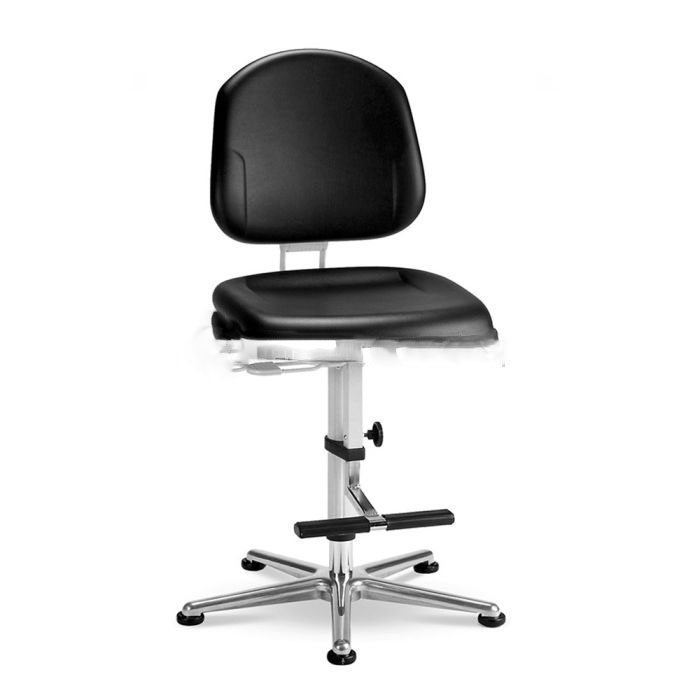
PU leather is the most popular material for Cleanroom chair seats and backrests—and for good reason. It’s durable, low-linting, and resistant to the harsh disinfectants used in cleanrooms. Unlike genuine leather (which is porous and traps dust), PU leather has a smooth, non-porous surface that wipes clean in seconds with 75% alcohol. It doesn’t absorb moisture, so it resists mold and mildew—critical for chairs used in humid cleanrooms (like biotech labs).
PU leather also stands up to daily use: it doesn’t crack or peel even after 10,000+ hours of sitting, and it retains its anti-static properties (when infused with carbon fibers) over time. For example, a Cleanroom chair with PU leather in a semiconductor lab can be wiped down 2–3 times a day with alcohol and still look new after 3 years. It’s also flexible, so it conforms to the worker’s body for comfort without stretching out of shape. Avoid low-grade PU leather (which feels thin or stiff)—look for thick, high-density PU that’s labeled “cleanroom-approved” to ensure durability.
Nylon in Cleanroom Chairs Offers Corrosion Resistance and Strength
Nylon is used for Cleanroom chair frames, armrests, and caster housings—it’s strong, lightweight, and resistant to corrosion from cleanroom chemicals. Unlike metal frames (which can rust if exposed to moisture or disinfectants), nylon frames stay intact even in humid or chemical-rich environments (like pharmaceutical labs using hydrogen peroxide disinfectants).
Nylon is also low-shedding: it doesn’t chip, flake, or release fibers, making it compliant with strict cleanroom standards (like Class 100). It’s strong enough to support up to 350 pounds, so it works for all workers, even those wearing heavy cleanroom suits. For example, a Cleanroom chair with a nylon frame in a food processing cleanroom can withstand daily cleaning with caustic sanitizers without breaking or corroding. Nylon also has good impact resistance—if the chair is bumped into a workbench, the frame won’t crack. Look for glass-filled nylon (which has added glass fibers for extra strength) for the most durable frames.

Stainless Steel in Cleanroom Chairs Provides Maximum Strength for Heavy Use
Stainless steel is used for high-wear parts of Cleanroom chairs—like caster axles, adjustment levers, and base supports. It’s the strongest material for cleanroom furniture, with excellent resistance to corrosion, scratches, and chemical damage. Unlike plastic or nylon, stainless steel doesn’t bend or break under heavy pressure, making it ideal for chairs used in high-traffic cleanrooms (like electronics manufacturing lines with multiple workers).
Stainless steel is also easy to clean: it wipes down with alcohol or bleach without staining, and it doesn’t harbor microbes. For example, a Cleanroom chair with stainless steel caster axles will roll smoothly for years, while plastic axles would wear down and break after 6–12 months. Stainless steel is also non-magnetic, so it doesn’t attract metal dust (critical for semiconductor labs). The only downside is weight—stainless steel parts make the chair heavier—but this is a small trade-off for durability. Look for 304 or 316 stainless steel (the most corrosion-resistant grades) to ensure the chair lasts in harsh cleanroom conditions.


