
 CALL AN EXPERT! +86-131-3073-8426


When to Replace Your Cleanroom Coveralls: Signs of Wear
Cleanroom coveralls are workhorses of contamination control, but like any protective gear, they wear out over time. Using worn coveralls can compromise their ability to block particles, putting your cleanroom environment at risk. Knowing when to replace them is just as important as choosing the right ones in the first place. By recognizing signs of deterioration, you can avoid unexpected failures and keep your facility compliant. Here are the key indicators that it’s time to retire your current cleanroom coveralls.

Table of Contents
ToggleFabric Pilling and Fraying Mean Cleanroom Coveralls Are Losing Effectiveness
The fabric of cleanroom coveralls is designed to be low-linting and strong, but repeated use and laundering can break down its structure. One of the first signs of wear is pilling—small balls of fiber that form on the surface. These pills can shed tiny fibers into the air, turning the coverall itself into a source of contamination. Fraying edges, especially around cuffs, hems, or hoods, are another red flag. Frayed fabric not only releases fibers but also creates gaps where particles can escape.
Even minor pilling or fraying can compromise performance. For example, in a Class 100 cleanroom, a single loose fiber from a pilled coverall could land on a sensitive component, causing defects. If you notice these issues during inspections, it’s time to replace the cleanroom coveralls. Waiting longer increases the risk of contamination, as the fabric will only degrade further with each use.
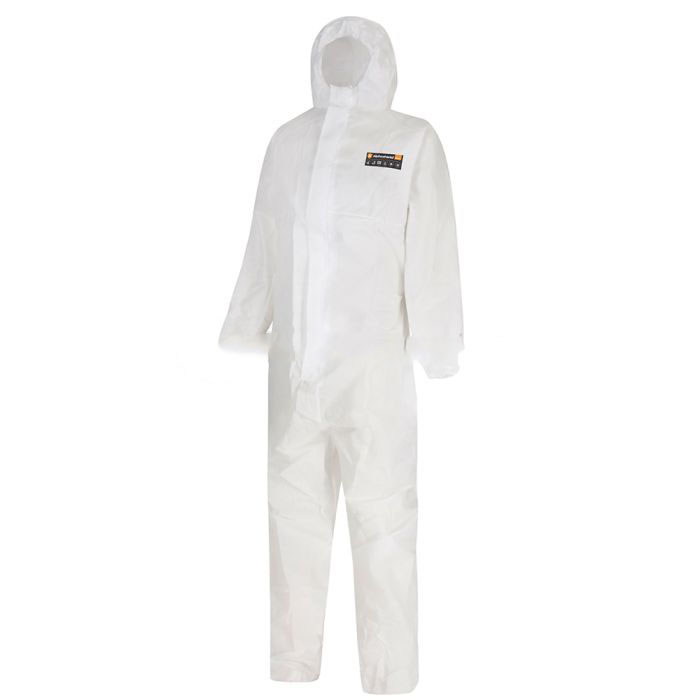
Seam Cracks and Loose Stitching Compromise Cleanroom Coveralls’ Barrier
Seams are critical to the integrity of cleanroom coveralls—they seal the edges to prevent particles from leaking out. Over time, however, stitching can loosen, and sealed seams can crack, especially with frequent movement or harsh cleaning. You might notice small gaps along the seams, or threads hanging loose. These openings allow skin cells, hair, and other contaminants to escape into the cleanroom, undermining the coverall’s purpose.
In high-stress areas like the shoulders, elbows, or thighs—where fabric stretches during movement—seams are particularly prone to wear. A cracked seam in these spots can go unnoticed during quick checks, but it can release significant particles during activity. Regularly inspecting seams for tightness and intact sealing ensures you catch these issues early. If cracks or loose stitching appear, replacing the cleanroom coveralls immediately is essential to maintain protection.
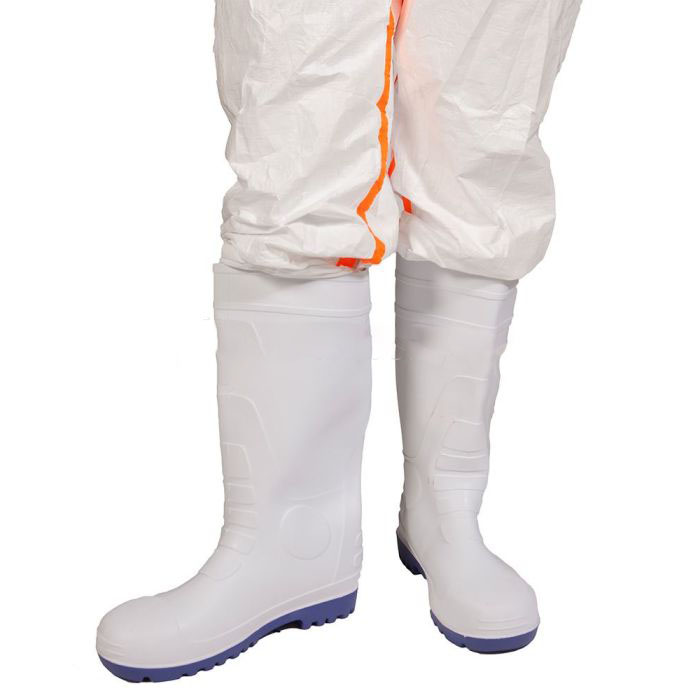
Failed Antistatic Properties Signal the Need for New Cleanroom Coveralls
Many cleanroom coveralls include antistatic features to prevent static electricity from attracting particles or damaging sensitive equipment. These properties can degrade over time, though, due to repeated washing, exposure to chemicals, or general wear. You can test for this by using a static meter—if the coverall no longer dissipates charge as it should, its antistatic function has failed.
A coverall with non-functional antistatic properties is a hazard in environments like semiconductor labs or electronics manufacturing. Static buildup can attract dust, leading to contamination, or even cause sparks that damage components. Even if the fabric and seams look intact, a loss of antistatic protection means the cleanroom coveralls are no longer fit for use. Replacing them promptly ensures your facility remains safe and compliant with static control standards.


